


First Aid for Burns – Precaution, Action to Take and Home Care
Burns can happen suddenly. A splash of hot oil in the kitchen, touching a hot pan, boiling water, electric wires, or even firecrackers during festivals can cause burns within seconds. When a burn occurs, people often panic because the pain is intense and the skin may turn red or swollen quickly. However, knowing the right first aid steps can make a big difference in reducing pain and preventing complications.
According to cosmetologist Dr. Geetika Paliwal, taking the correct action immediately after a burn helps the skin heal better and lowers the risk of infection or scars. With the right precautions and simple home care, many minor burns can recover safely.
Understanding Burns
Burns can range from mild to severe depending on how deeply the skin is affected.
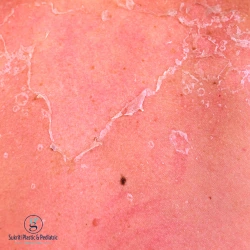
Minor burns usually cause redness, mild swelling, and pain. These burns affect only the outer layer of the skin.
Moderate burns may cause blisters and stronger pain. The skin may appear moist or swollen.
Severe burns go deeper into the skin and may damage nerves and tissues. These burns require immediate medical attention.
Even small burns can feel very painful because the skin contains many sensitive nerve endings.
Burns Can Affect Emotions Too
A burn injury does not only affect the skin. It can also cause emotional stress. Seeing the skin turn red, blistered, or swollen can be frightening. Many people worry about scars or long recovery time.
Getting the right first aid quickly helps calm both the body and the mind. When you know what to do, you feel more in control of the situation. Proper care in the first few minutes can reduce damage and support faster healing.
Precautions to Prevent Burns
Prevention is always better than treatment. Many burns happen at home or at work due to small mistakes. A few simple precautions can reduce the risk.
- Keep hot pots and pans away from the edge of the stove so they cannot fall easily.
- Always check bath water temperature before stepping in, especially for children and elderly people.
- Avoid wearing loose clothing while cooking near flames.
- Handle electrical appliances carefully and keep hands dry when touching switches.
- Use protective gloves when handling hot objects or chemicals.
- Stay careful around candles, heaters, and firecrackers.
These small habits can prevent painful accidents.
Immediate Action After a Burn
The first few minutes after a burn are very important. Quick and correct action helps limit the damage.
- Move away from the heat source immediately.
If clothing catches fire or the skin touches something hot, step away from the source of heat.
- Cool the burn with running water.
Place the burned area under clean, cool running water for about 15 to 20 minutes. This helps reduce heat in the skin and eases pain.
- Remove tight items near the burn.
Carefully remove rings, watches, belts, or tight clothing near the burned area before swelling begins.
- Cover the burn gently.
Use a clean cloth, sterile gauze, or non-stick bandage to cover the burn. This protects the skin from infection.
- Do not burst blisters.
Blisters protect the healing skin underneath. Breaking them can increase the risk of infection.
What You Should NOT Do
Many people try home remedies that can actually make burns worse. Do not apply toothpaste, butter, oil, or ghee on burns. Do not place ice directly on the burned skin. Avoid applying random creams or powders immediately. These things can trap heat in the skin or cause infection. The safest first step is cooling the burn with clean water and covering it properly.
Home Care for Minor Burns
Small burns can often be treated at home with proper care. Keep the burn clean and dry. Apply a doctor-recommended burn cream or soothing ointment if advised. Drink enough water to help the body stay hydrated and support healing. Eat healthy foods rich in vitamins and proteins because good nutrition helps the skin repair itself. Protect the burn from direct sunlight and avoid rubbing or scratching the area. Healing may take several days depending on the severity of the burn.
When to See a Doctor
Some burns require medical attention. You should visit a doctor if:
The burn is large or deep.
There is severe pain or swelling.
The burn occurs on the face, hands, feet, or private areas.
There are signs of infection such as pus, fever, or spreading redness.
Blisters become very large or painful.
Early medical care can prevent complications and help the skin heal properly.
Healing Completely
Burn recovery is not only about the skin healing. Comfort, proper care, and emotional support also help in full recovery. With the right treatment, most minor burns heal without leaving permanent marks. Following the correct first aid steps and home care can protect your skin and reduce long-term problems. Burn awareness and simple first aid knowledge can help you stay calm during emergencies. Quick action, proper care, and safe habits are the best ways to protect your skin and health.


- Address : Sukriti clinic, Scheme no 74, CH 3, Near Prestige College, Opposite Vrindavan Restaurant, Indore, Madhya Pradesh 452010
-
Phone : +91 702 402 3943,
+91 992 666 3943 - Email : info@sukriticlinic.com