


Can Hernia Go Away Without Surgery in Kids?
Kids also will sometimes outgrow a hernia without surgical intervention.
When parents see a bulge near their child’s groin or belly button, their first thought is often whether it will go away on its own. Most families want to believe rest, medications or basic home care will resolve the issue. “Knowing how they form in children is crucial to knowing if they will resolve without treatment,” says Dr. Saurabh Garge, best pediatric surgeon in Indore.
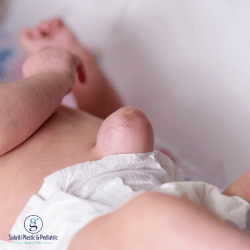
When internal tissue or an organ protrudes through a weak point in the muscular wall. In children, this typically presents as a soft protrusion in the groin area or around the belly button. The swelling may be more apparent when the child is crying, coughing or straining. The swelling can seem to come and go. This causes parents to often believe that the problem is temporary and may heal spontaneously. However, the potential for healing depends on the type of hernia and the child’s age.
What Is a Hernia in Kids?
In young children, when an intestinal portion or tissue pushes through a weakened area of the abdominal wall. The most common types that occur in children are an inguinal and an umbilical.
- An inguinal hernia occurs in the area of the groin and is more likely to happen with boys. It is commonly caused by the abdominal wall not closing completely after birth.
- Umbilical hernias form around the belly button. These are very common in babies, and sometimes close on their own as the abdominal muscles develop. They may not always be painful, but swelling is typically visible and should always be evaluated by a physician.
Can A Hernia Repair Itself without Surgery?
This is one of the most frequently googled questions among parents. It depends on the types of hernia. An inguinal hernia does not usually go away on its own. The hole in the muscle wall never goes away, leading to tissue squeezing through over and over again. This is why surgery is usually recommended to repair the weakness.
Umbilical in infants may occasionally resolve by themselves during the first few years of life. Most small umbilical become smaller with growth. Hernia Doctors may wait to determine whether surgery is necessary. But when the hernia is large or painful, or doesn’t resolve by early childhood, it should be surgically repaired for safety.
What Happens if You Don’t Treat a Hernia?
Because the swelling does not appear serious at first, many parents postpone treatment. But neglecting it can occasionally cause complications. One complication is actually when the tissue gets stuck inside the opening. This can lead to pain, swelling and discomfort.
In certain cases, the blood flow to the trapped tissue can become obstructed. This is known as strangulation and needs immediate medical attention. Due to these risks, doctors typically suggest early evaluation rather than delaying it for too long.
Symptoms in Kids Parents Should Look For:
There are a few signs for parents to look out for. Common symptoms include:
- A gentle bulge in the groin or belly button
- Increased swelling when child cries or coughs
- Mild pain or discomfort in the area of the bulge
- Irritability in infants
- In serious situations, vomiting or redness surrounding the swelling
In case of these symptoms, a pediatric doctor should be consulted for examination.
How is it Treated in These Aged Children?
How is it treated? In many instances of the condition, pediatric surgeons recommend undergoing surgical repair. Surgery for hernias in children is often straightforward. At the time of surgery, the surgeon repairs the weak point in the muscle wall so that the tissue does not protrude anymore.
Modern surgical techniques help kids heal quickly. Most children can resume normal activities within a few days after the procedure. Parents are naturally anxious when their child undergoing surgery, but hernia repair is a safe and routine procedure in the hands of an experienced pediatric surgeon.
When to See a Pediatric Surgeon?
If parents see a lump in their child’s groin or belly that comes and goes, they should consult a physician. Timely diagnosis helps to block out complications and ensure treatment at its earliest. A specialist can evaluate the child and decide whether the swelling is a hernia or some other condition.
Conclusion
Although a few small umbilical in babies can resolve on their own, most of it in children do not go away without treatment. If the condition is ignored, complications are likely to worsen with time. Early assessment by doctors ensures that the child receives appropriate care at an early time.
This early identification and the otherwise prompt treatment are best done by consulting an experienced pediatric surgeon such as Dr Saurabh Garge, best doctor for hernia in kids if parents notice unusual swelling around their child’s abdomen or groin.


- Address : Sukriti clinic, Scheme no 74, CH 3, Near Prestige College, Opposite Vrindavan Restaurant, Indore, Madhya Pradesh 452010
-
Phone : +91 702 402 3943,
+91 992 666 3943 - Email : info@sukriticlinic.com