


Why Applying Toothpaste on Burns Is Dangerous
When someone gets burned, the first reaction is often to apply something quickly for relief. Many people still reach for toothpaste, thinking it will cool the burn. But toothpaste is not a burn treatment. It can irritate the damaged skin, increase the risk of infection, and make the injury harder to assess and manage.
Dr. Geetika Paliwal , best burn doctor in Indore, advises people to avoid household remedies like toothpaste, ghee, oil, turmeric, or creams not prescribed for burns. Instead, the burn should be cooled under clean running water and proper medical advice should be taken, especially if the burn is deep, painful, blistered, or spreading.
Why Do People Apply Toothpaste to Burns?
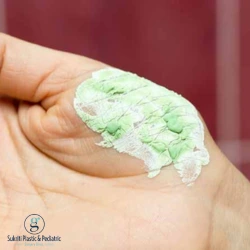
People use toothpaste because it feels cool. Mint-flavored toothpaste creates a cooling sensation that does not mean the heat is gone from the deeper skin layers. Official burn guidance says do not apply toothpaste, butter, oils, creams, gels or ointments to a burn.
Why Toothpaste Is Bad For Burns
Many people apply toothpaste on burns because it feels cool for a few seconds. But this cooling feeling is temporary and does not treat the burn. Burned skin is already sensitive and damaged. Toothpaste may contain mint, detergents, whitening agents and rough cleaning particles that can cause more stinging, dryness and irritation. Instead of helping the skin heal, it may make the burn more painful and difficult to clean.
Can Toothpaste Cause Infection In Burns?
Yes, applying toothpaste on a burn can increase the risk of infection. A burn weakens the skin’s natural protective barrier, especially if there are blisters or open skin. Toothpaste is not a sterile medical product, and the same tube is used again and again. This can introduce germs to the injured area. If blisters form, they should not be burst because they help protect the skin while it heals.
What To Apply On Burns First
The best first step is not toothpaste, oil, butter or any home remedy. Place the burned area under clean, cool running water for around 20 minutes. This helps reduce heat, pain and further skin damage. After cooling, keep the area clean and avoid rubbing it. Dr. Geetika Paliwal advises that correct first aid should be started immediately, and medical help should be taken if the burn is deep, blistered, large, very painful or on a sensitive area.
What Should You Do Instead?
- Cool the burn immediately under clean, cool running water for around 20 minutes. Avoid ice or very cold water.
- Remove tight items gently like rings, bangles, watches, or tight clothing near the burn before swelling starts.
- Do not apply toothpaste, oil, ghee, butter, or home remedies on the burned area, as they can irritate the skin and increase infection risk.
- Cover the burn with a clean, non-stick dressing or clean cloth to protect it from dust and contamination.
- Seek medical help if the burn is deep, large, blistered, very painful, on the face/hands/genitals/joints, or caused by chemicals or electricity.
After cooling, cover the area loosely with clean cling film or a clean non-fluffy cloth. Do not wrap it tightly and avoid cotton wool, adhesive dressings and home remedies. Ensure the burned area is uncovered or lightly protected.
Burn Injury First Aid
The first few minutes after a burn can make a big difference in how the skin heals. Instead of applying toothpaste or any home remedy, safe first aid should begin immediately. Cooling the burn under clean running water helps reduce heat from the skin, eases pain, and lowers the risk of the injury becoming worse.
- Start cooling the burn as soon as possible.
- Use cool running tap water for 20 minutes.
- Do not apply toothpaste, ice, butter, oil or powders.
- Keep the burned area clean and protected.
- Avoid rubbing, pressing or peeling the skin.
- Do not burst blisters, as they protect the injured area.
- Seek medical advice if the burn looks serious or the child is in severe pain.
Conclusion
Toothpaste may seem like a quick home remedy for burns, but it can irritate damaged skin, increase infection risk, and delay proper first aid. Burns need clean and safe care from the beginning. Cooling the area under running water, avoiding home remedies, protecting the skin, and seeking medical help when needed can make a real difference in recovery. Dr. Geetika Paliwal advises choosing proven burn first aid over unsafe household treatments, because the right care at the right time helps protect the skin and supports better healing.
FAQ’s
Toothpaste is made for cleaning teeth, not treating burned skin. It can irritate the damaged area, increase infection risk, and delay proper burn first aid.
No, toothpaste is not suitable for burn treatment. It may give a temporary cooling feeling, but it does not heal the burn or remove trapped heat from the skin properly.
The burned area should be cooled under clean, cool running water for around 20 minutes. Avoid applying toothpaste, oil, ghee, butter, turmeric, or ice.
Yes, toothpaste can make a burn worse by irritating sensitive skin, causing dryness or stinging, contaminating the wound, and making medical cleaning more painful.
Gently rinse the area with clean, cool running water. Do not rub or scrub the skin. If the burn is blistered, deep, large, or very painful, consult a doctor.
No, ice should not be applied directly on a burn. It can further damage the skin. Cool running water is a safer first-aid option for minor thermal burns.
After cooling, the burn can be loosely covered with a clean non-stick dressing, clean cloth, or cling film. Avoid tight wrapping and do not apply random creams.
No, burn blisters should not be burst. The blistered skin protects the deeper tissue from contamination and lowers the risk of infection.
Medical help is needed if the burn is large, deep, blistered, very painful, infected, or present on the face, hands, feet, joints, genitals, or sensitive areas.
Professional burn care helps assess the depth, severity, and infection risk of the injury. Dr. Geetika Paliwal in Indore can guide proper burn treatment and help reduce the risk of poor healing or scarring.


- Address : Sukriti clinic, Scheme no 74, CH 3, Near Prestige College, Opposite Vrindavan Restaurant, Indore, Madhya Pradesh 452010
-
Phone : +91 702 402 3943,
+91 992 666 3943 - Email : info@sukriticlinic.com