


Child Constipation: When to consult a Doctor?
Constipation is a common concern among parents; when a child is uncomfortable, refuses to go to the toilet, or complains of stomach aches, it requires proper attention. Hard, dry stool may come every now and then, and adjustments to diet, fluids, and lifestyle may be required. However, if it is persistent or causes distress, parents should not ignore it. Dr. Saurabh Garge, child constipation doctor in Indore, explains that determining the frequency of bowel movements is not always an accurate indication of constipation in children. He highlights the other tell-tale signs that may help identify the issue.
Signs and Symptoms of Constipation in Children
- Hard or dry stools
- Pain while passing stools
- Difficulty or straining during bowel movements
- Stomach pain or discomfort
- Abdominal bloating
- Feeling of incomplete bowel emptying
- Passing stools less frequently than usual
- Withholding stools intentionally
- Crossing the legs or standing stiffly to avoid passing stool
- Resisting or refusing to sit on the potty/toilet
- Irritability or discomfort around bowel movements
Causes of Constipation in Children
- Stool withholding due to fear of painful bowel movements
- Previous pain or discomfort while passing stools
- Accumulation of hard, dry stools in the intestines
- Changes during potty training
- Starting school or changes in daily routine
- Traveling or being away from familiar surroundings
- Inadequate fluid intake
- Low intake of fiber-rich foods
- Delaying bowel movements for long periods
When Should a Parent See a Doctor for Constipation in Indore?
Parents should take their children to a doctor for constipation if it persists for about two weeks or more even after they have implemented home remedies. Moreover, if their child complains of painful stools, struggles to have bowel movements, or has frequent abdominal discomfort, it is time to see a healthcare provider.
Parents should also seek medical advice when a child’s constipation lasts for an extended period. Additionally, seek specialist attention if the child has blood in the stools, constant bloating, persistent abdominal discomfort, vomiting, poor weight gain, or failure to thrive. If the child is an infant or very young, or if you suspect chronic constipation from birth, you should also see a doctor.
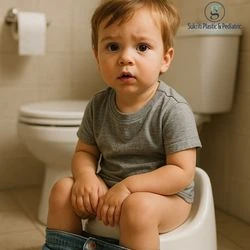
Stool Incontinence Caused by Constipation in Children
When a child has large, hard stools, some liquid stool may leak around them and stain the underwear, which parents may sometimes mistake for diarrhea. These accidents can make the child feel embarrassed or less confident, so it is important not to scold or punish them. Instead, the focus should be on treating constipation and helping the child develop regular bowel habits. Regular toilet sitting, a warm sitz bath, and proper treatment may help. If stool leakage continues, Dr. Saurabh Garge, pediatric urologist in Indore, can suggest suitable treatment to manage constipation and improve bowel habits.
How is Constipation in Children Assessed?
Dr. Saurabh Garge will inquire about a child’s bowel movements, diet, fluid intake, toileting practices, discomfort, prescriptions, and the length of time they have been experiencing these symptoms. A physical examination may also be necessary. Doctors advise against testing kids for constipation unless there are strange signs or symptoms or because the condition has persisted for an extended period of time.
Most of the time, a thorough clinical examination is enough for a proper diagnosis. Dr. Saurabh will also try to rule out any other possible diseases, such as those that may require surgery. He works to develop an individualized treatment plan based on the child’s requirements for managing their symptoms.
Common Dietary and Lifestyle Alterations Advised for Children with Constipation
- Encourage high-fiber foods like fruits, vegetables, whole grains, and legumes.
- Ensure the child drinks enough water and fluids.
- Establish a regular toilet routine, especially after meals.
- Use a footstool to provide proper support while sitting on the toilet.
- Encourage regular physical activity and play.
- Avoid rushing, forcing, or pressuring the child to pass stools.
- Use laxatives, suppositories, or enemas only when advised by a doctor.
Conclusion
Though constipation is prevalent among children, the red flags should not be overlooked. Persistent discomfort, stool withholding, and soiling frequently suggest that something is amiss. It’s critical to get constipation treated so that things like painful stools, discomfort, and poor bowel habits do not become normal occurrences. If your child is suffering from chronic or recurring constipation or any of the symptoms mentioned above, it’s time to contact the best pediatric urologist in Indore, Dr. Saurabh Garge.
FAQs
Constipation in children usually means passing hard, dry, painful stools or having difficulty emptying the bowels completely.
If constipation lasts for around two weeks, keeps returning, or causes pain and discomfort, it is best to seek medical advice.
Hard stools, straining, stomach pain, bloating, stool withholding, painful bowel movements, and avoiding the toilet are common signs.
Yes. Some children may start holding their stools during potty training because of fear, discomfort, or changes in routine, which can lead to constipation.
Yes. Hard stool may collect in the rectum, allowing softer stool to leak around it and soil the child’s underwear.
A balanced diet containing fruits, vegetables, whole grains, legumes, enough fluids, and regular toilet habits may help support healthy bowel movements.
Laxatives, enemas, or suppositories should not be used repeatedly without a doctor’s advice, especially in young children.
Most cases are manageable, but long-term or recurrent constipation should be evaluated to identify the cause and prevent complications.
Treatment may include increasing fluids and fiber, encouraging regular toilet sitting, improving bowel habits, and using medicines if advised by a doctor.
Yes. Not drinking enough fluids can make stools harder and more difficult to pass. Keeping children well hydrated can support regular bowel movements.


- Address : Sukriti clinic, Scheme no 74, CH 3, Near Prestige College, Opposite Vrindavan Restaurant, Indore, Madhya Pradesh 452010
-
Phone : +91 702 402 3943,
+91 992 666 3943 - Email : info@sukriticlinic.com