


Pediatric Hernia: What it is, Symptoms, Types, Causes & Treatment
When it comes to kids’ health, even tiny changes in their body can make parents worry a lot. One thing that scares many parents is a hernia. Lots of families go to pediatric surgeon Dr. Saurabh Garge, best doctor for pediatric hernia in indore, with questions about a lump near the groin or belly button. They wonder if it’s serious and what to do next. Knowing about kids’ hernias in easy words can help parents stay calm, act fast, and get their child the right care at the right time.
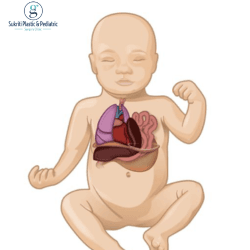
A kids’ hernia happens when part of the intestine or some tissue pushes through a weak spot in the muscle wall. This makes a lump you can see, or sometimes it’s hidden. In children, hernias are usually there from birth or show up early in life. It might sound scary, but it’s pretty common and easy to fix if caught right.
What symptoms should parents watch for pediatric hernia?
The main sign is a soft lump or bulge that pops out when the child cries, coughs, or strains. It might shrink or go away when the child relaxes or lies down. Some kids feel no pain at all, but others get fussy, irritated, or won’t eat. Sometimes the lump gets hard, hurts, or won’t push back in. That’s a sign it’s stuck, and you need a doctor right away. Parents might also see vomiting, a bloated tummy, or weird crying in babies. Trust your gut and get advice early,it really helps.
Different types of kids' hernias
Kids mostly get two kinds. The first is an inguinal hernia in the groin area. It’s more common in boys and often shows up soon after birth. The second is an umbilical hernia, a bulge near the belly button. You usually spot this one in babies.
Umbilical ones sometimes close on their own as the kid gets stronger. But inguinal hernias usually need surgery because they don’t fix themselves. Knowing the type helps parents feel ready for what’s next.
Why do kids get hernias?
Most are congenital,meaning the baby is born with a weak spot in the tummy wall. In the womb, some openings in the muscles are supposed to close before birth. If they don’t, stuff can push through later.
Preemies have a higher risk because their muscles are still growing. Things like family history, extra pressure in the tummy, lots of crying, or constant coughing can play a role too. But parents, remember: you didn’t cause this.
How do you treat a kids' hernia?
Treatment is decided based on the type of hernia and how serious the condition is. Doctors usually say surgery for inguinal hernias to avoid problems. It’s safe, done with anesthesia, and kids bounce back fast to normal play. For small umbilical hernias, they might just watch and wait a couple years. If it doesn’t go away or hurts, surgery could be next. New kid surgery methods mean less pain, quicker healing, and tiny scars.
Parents get nervous about surgery, but doing it soon stops big issues like blocked intestines. With a good specialist, kids do great.
The emotional side of your child's diagnosis
Finding out your kid needs surgery can hit hard. You might feel scared, guilty, or not sleep. Kids pick up on the worry even if they don’t get what’s wrong. Keep things calm, explain simply, and follow the doctor’s lead. Hold their hand, stick to routines, and reassure them,they’ll feel safe.
Families seeing pediatric surgeon Dr. Saurabh Garge often feel better with clear talks and kind care. When parents get it and know what’s coming, they feel stronger to decide.
When should you see a doctor?
If you see any lump near your kid’s groin or belly button, check it out. Sudden pain, puking, redness, or a lump that stays,treat it like an emergency. Seeing a doc early means quick diagnosis and easy planning.
In the end, kids’ hernias are no big deal if you handle them with smarts and confidence. With good info, kids heal fine and grow up strong. Like pediatric surgeon Dr. Saurabh Garge, best pediatric surgeon in indore, says, smart parents and quick care are the best way to a healthy kid.


- Address : Sukriti clinic, Scheme no 74, CH 3, Near Prestige College, Opposite Vrindavan Restaurant, Indore, Madhya Pradesh 452010
-
Phone : +91 702 402 3943,
+91 992 666 3943 - Email : info@sukriticlinic.com